Whidbey Island and the Art of Disappearing
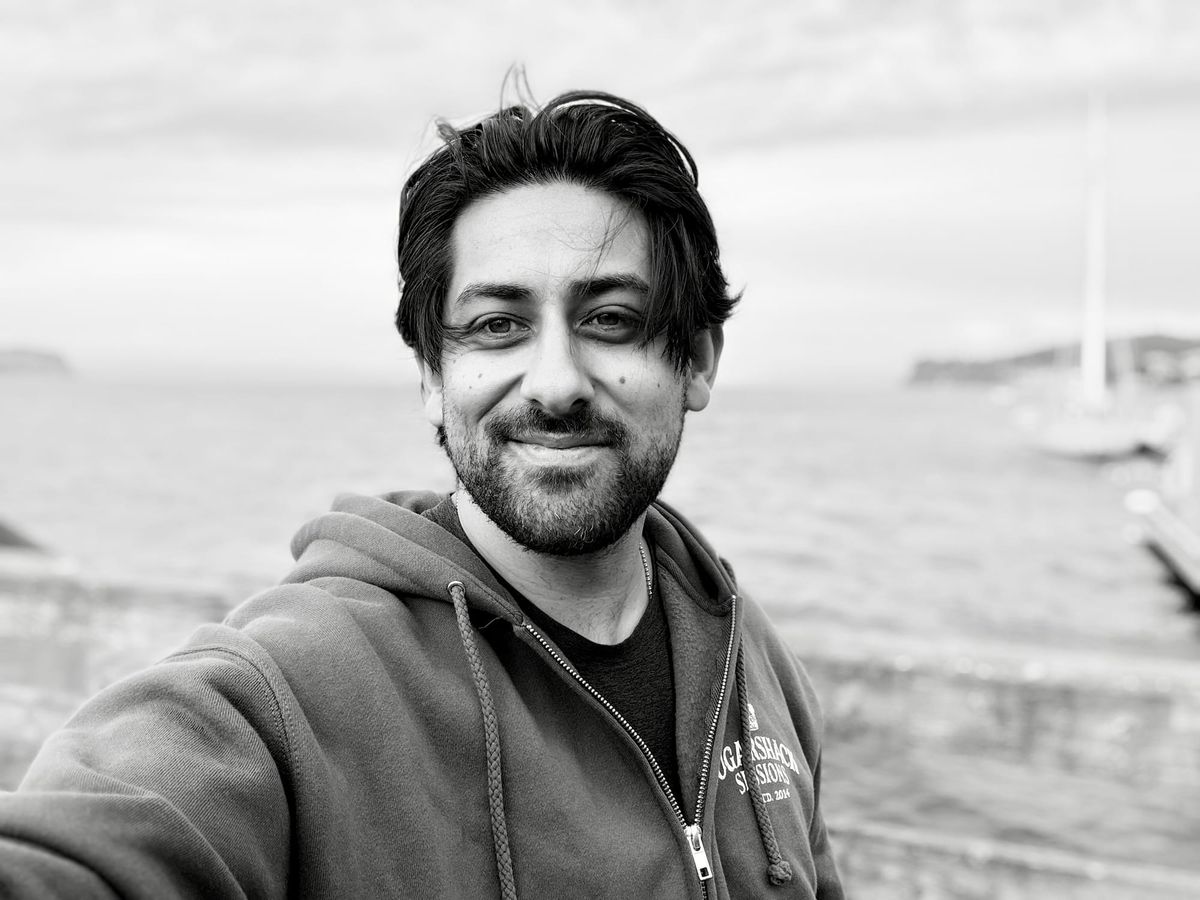
I went to Whidbey Island because I needed to disappear for a minute.
Not in the dramatic sense. Not in the burn-it-all-down-and-start-over sense. I didn’t need to vanish from my life. I like my life. I’m proud of the life I’m building. I like the work, the music, the road, the strange collision of financial meetings and recording sessions and airports and late-night voice memos. I like that so much of my life has begun to feel like a story I’m actively writing rather than one I’m passively starring in.
But even a good story can start moving too fast.
The last few months had been full. Full in the way that sounds good when you say it out loud, but feels heavier when you’re living inside it. Work had been intense. Music had been constant. My brain had become a place where every idea immediately turned into a task. Every song had a release strategy. Every trip had a purpose. Every Sunday had a Signal. Every quiet moment seemed to ask me what I was going to do with it.
And then my birthday arrived.
Thirty-five.
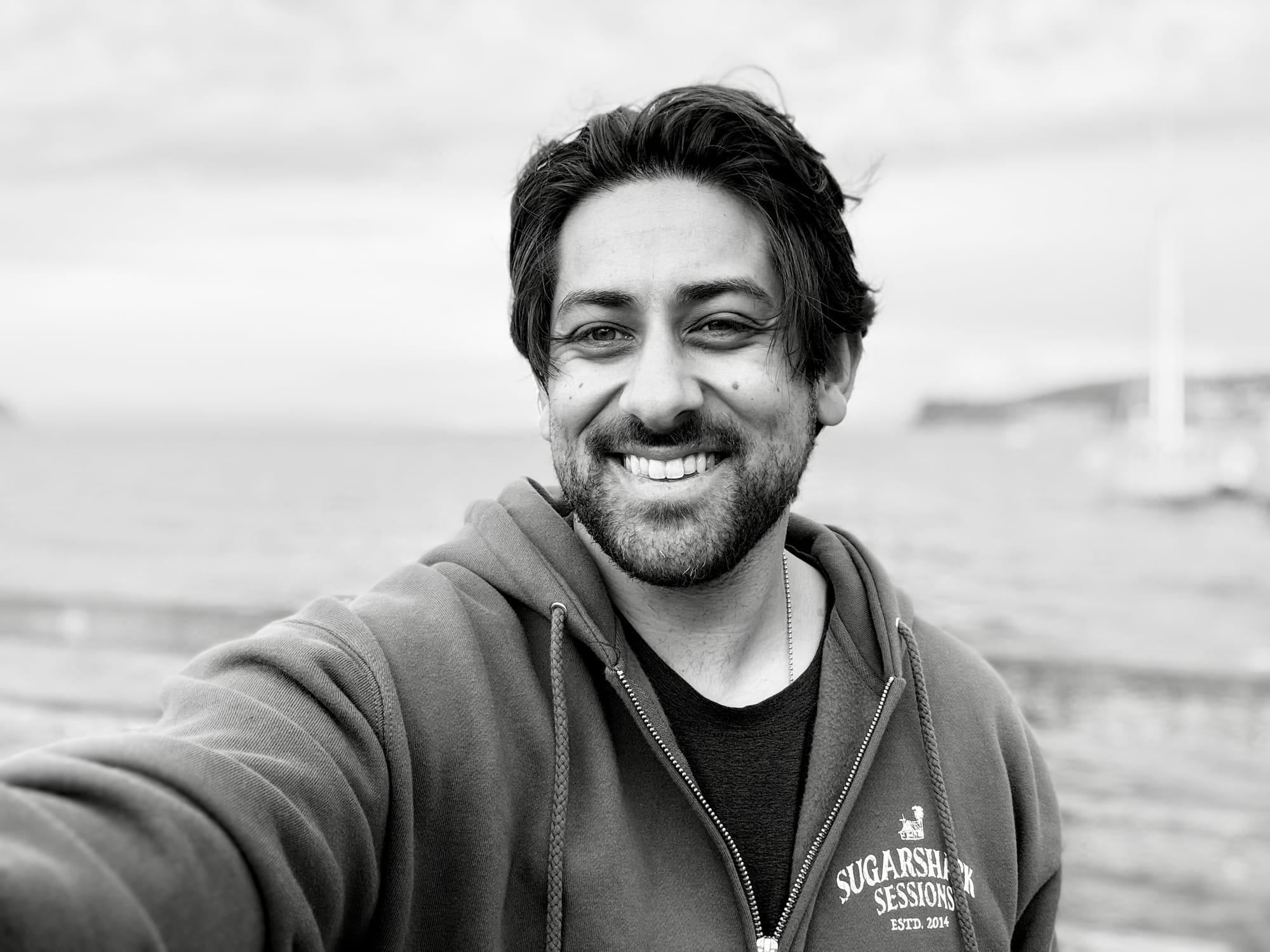
There are ages that feel like numbers and ages that feel like thresholds. Thirty-five felt like the latter. Not old, exactly. Not young, either. It felt like one of those mile markers you pass on a long drive where you suddenly realize you’ve been on the road for hours. You’re still moving. You still know where you’re going. But for a second, you notice the distance.
So I went looking for somewhere quiet.
Whidbey Island caught my attention in that slightly mysterious way some places do. I don’t remember the exact moment I found the cabin, but I remember the feeling. A small place tucked into the woods off the coast of Seattle. Water nearby. Gray skies. Trees everywhere. A detached artist studio.
That last part did it.
A detached artist studio.
It sounded almost too on the nose, like something a character in a novel rents when the author wants to force him to confront himself. But I booked it anyway. I packed some recording equipment, a few clothes, and enough expectation to be dangerous.
The stated plan was simple: spend five days alone by the water and make music.
The private plan was more complicated.
I wanted to see if I could still hear myself.
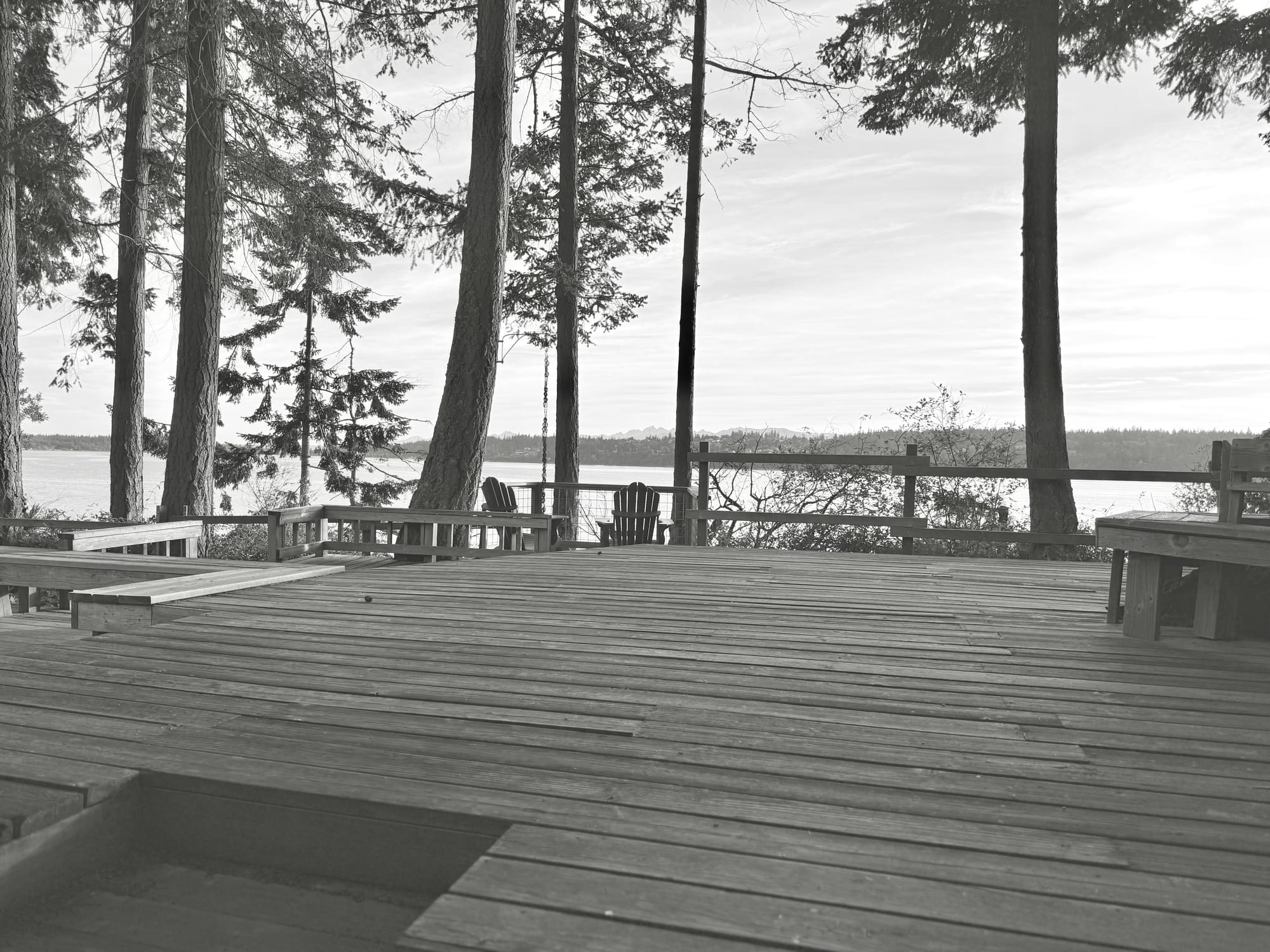
Getting to Whidbey felt like crossing over into a slower frequency.
You fly into Seattle, but Whidbey doesn’t feel like Seattle. It feels adjacent to the world, not quite removed from it, but held at a slight angle. There is a softness to the Pacific Northwest that I have always loved. The air feels damp and alive. The trees seem older than the roads. The water doesn’t perform for you. It just sits there, cold and immense, like it knows something.
I’ve always had a strange emotional response to that part of the country. It combines pieces of other places I’ve loved. The mountains remind me of Colorado, where I grew up. The water reminds me of Florida, where I once lived. The gray skies remind me of the UK, where I was born. It’s geography as memory. A collage of former selves.
There is something grounding about being in a place that does not ask you to explain yourself.
Austin has become home, but Austin has momentum. Austin has plans, projects, dinners, traffic, heat, ambition, possibility. Austin has the electricity of a place where everyone seems to be building something. I love that about it, but it can also make stillness feel vaguely irresponsible.
Whidbey did not have that problem.
Whidbey did not care about my calendar. It did not care about my metrics. It did not care how many songs I had released or how many emails I had answered or whether I was becoming the person I thought I should be by now. Whidbey seemed mostly concerned with whether the tide was in, whether the trees were moving, whether the light had changed.
That was the first gift.
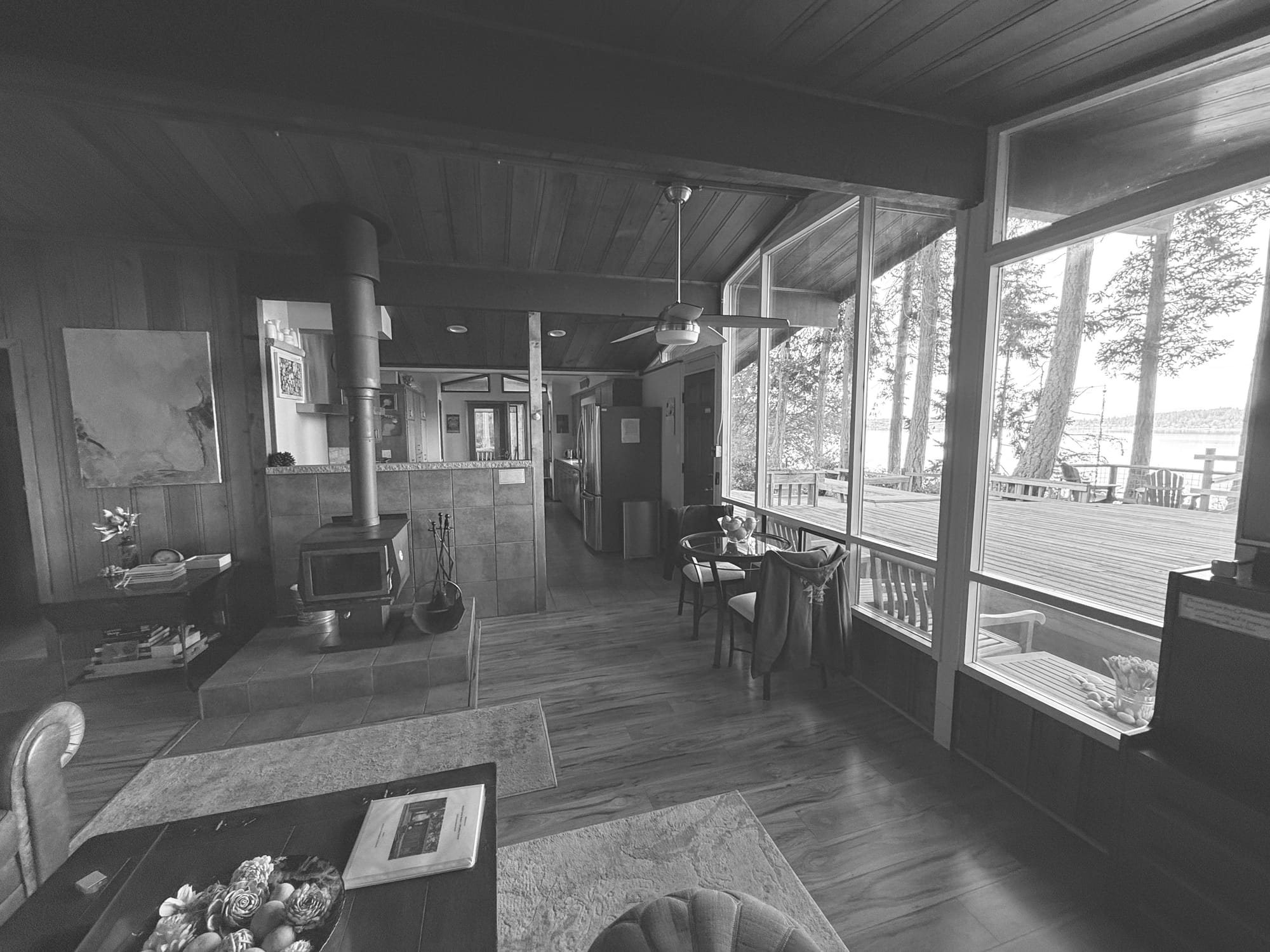
The place was beautiful in a way that made me stop trying to narrate it. The cabin sat surrounded by trees, quiet and unbothered. The artist studio stood apart from the main house, which gave it a kind of ritual quality. To make music, I had to physically leave the living space and walk to another room. It was a small distance, but it mattered. There was a threshold. There was a crossing.
In ordinary life, the lines blur. Work happens on the same laptop as music. Music happens in the same room as unread emails. Rest happens three feet away from a charging phone. Everything bleeds into everything else.
On Whidbey, there was the cabin and there was the studio.
One place for living.
One place for listening.
That separation changed the trip.
Each morning, I would wake up slowly, make coffee, look at the trees, and try not to reach too quickly for the outside world. I had logged off the work computer, which sounds simple until you realize how much of your identity has quietly fused itself to being available. There is a strange withdrawal that happens when you step away from being reachable. At first, silence does not feel peaceful. It feels like you’ve forgotten something.
I kept thinking there was a message I needed to answer, a meeting I needed to prepare for, a thread I needed to pull. My nervous system kept patting its pockets.
Phone. Wallet. Keys. Obligation.
But there was nothing urgent. Not really.
So I cooked my meals. I made simple food. Nothing elaborate. Nothing designed to impress anyone. Just the basic ceremony of feeding myself. Chop. Heat. Season. Eat. Clean. Repeat.
That rhythm became part of the medicine.
It is easy, especially when traveling, to outsource the fundamentals. You eat out. You move through places as a consumer. You let the destination entertain you. But this trip was different. I didn’t want Whidbey to entertain me. I wanted it to slow me down enough that I could become available to my own life again.
Cooking helped. Walking helped. The water helped.
And then there was the studio.
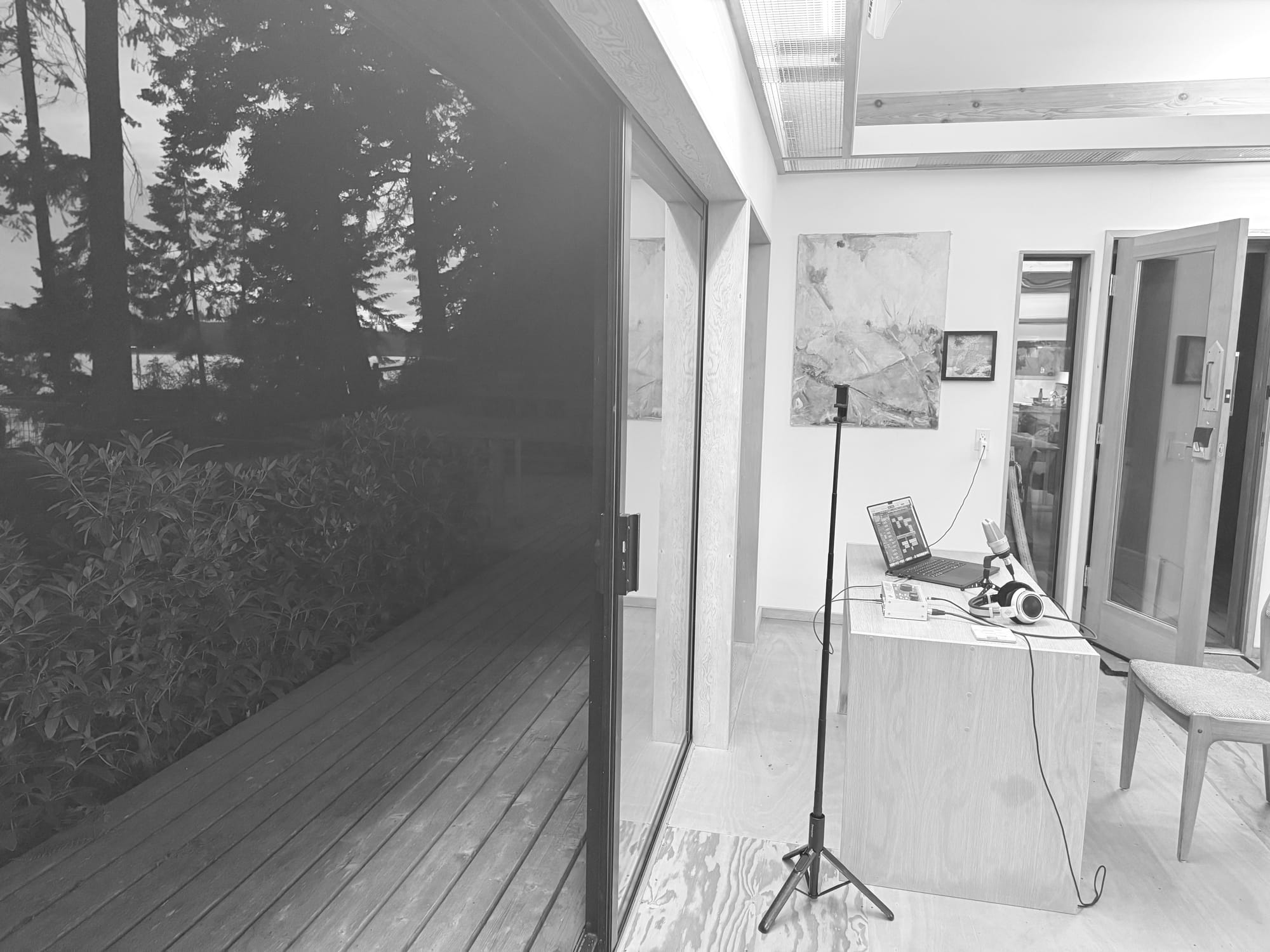
The first time I walked into the artist studio with the intention of actually making something, I felt both grateful and exposed.
There is a fantasy version of the artist retreat where the work arrives cleanly. You go somewhere beautiful, place a notebook on a wooden table, stare meaningfully out a window, and the muse appears on schedule. She says, “I’ve been waiting for you,” then hands you a finished chorus.
That is not usually how it goes.
What actually happens is that you bring yourself with you.
You bring your habits. You bring your doubts. You bring the part of you that wants to make something true, and the part that wants to make something good, and the part that wants to make something useful, and the part that wants to know how the thing will be received before the thing even exists.
That was the obstacle I met on Whidbey.
Not writer’s block, exactly.
Something subtler.
I could make music. That wasn’t the issue. I had ideas. I had sounds. I had enough skill by now to start moving. The problem was that some part of me had become overly aware of the machinery around the art. The release calendar. The email list. The membership. The question of where everything goes. The pressure to keep showing up. The pressure to turn a private signal into public output.
That pressure is not inherently bad. In some ways, it has saved me. Discipline has saved me. Systems have saved me. The weekly practice of writing and releasing and communicating has given shape to a life that might otherwise dissolve into vague artistic longing.
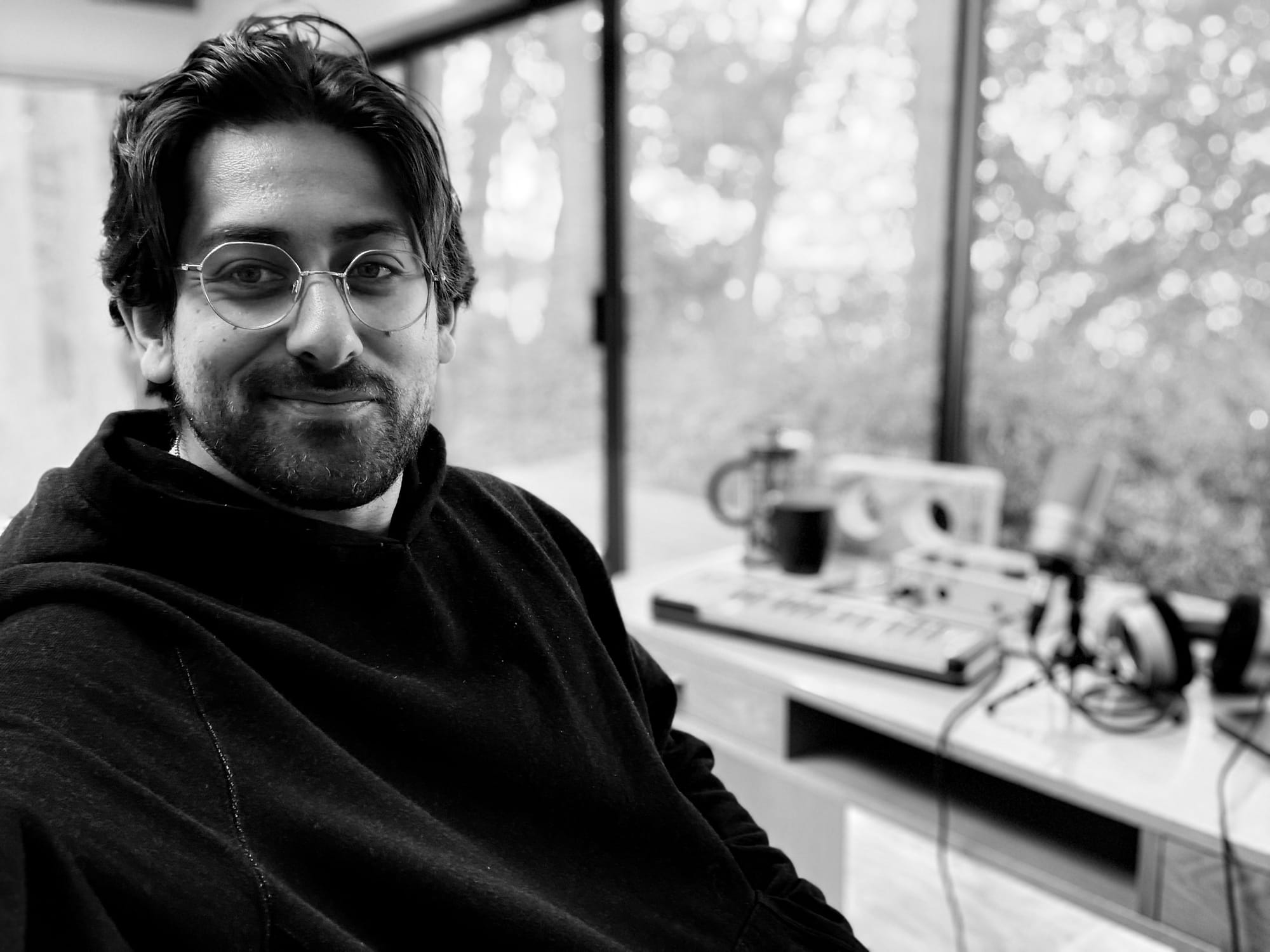
But discipline can harden into demand.
A system can become a cage if you forget why you built it.
I think that is what I was trying to understand on Whidbey. I wasn’t trying to escape the machine so much as remember the human being inside it.
The first song came through in fragments.
A mood first. Lofi. Cosmic. A little worn around the edges. It had the feeling of looking out at water after a long night and not needing to say much. The hook circled around the phrase “give me just a piece of your heart and soul,” and I kept following it, not fully knowing where it wanted to go.
That is one of my favorite moments in the creative process: when the song is no longer an idea but not yet a thing. It hovers. It has gravity, but no final form. You can ruin it by grabbing too hard. You can lose it by not grabbing at all. The whole act is a negotiation between control and surrender.
I spent hours in that space.
Trying sounds. Deleting parts. Bringing them back. Walking outside. Coming back in. Listening too loudly. Listening too softly. Wondering if the song was good. Wondering why I cared so much if the song was good. Reminding myself that “good” is often a useless word in the early stages. Early songs do not need judgment. They need care.
By the end of that first stretch, there was something there.
Not finished, but alive.
That became the first marker of the trip. Not because I had produced a song, but because I had entered the room honestly. I had begun.
The second song was different. Brighter. More physical. More daytime. I kept thinking of a poolside disco record, which was funny because I was not poolside and the weather was not exactly screaming disco. But that contrast made sense to me. Sometimes a song arrives as a correction to the weather around it. Sometimes the body asks for light before the sky provides it.
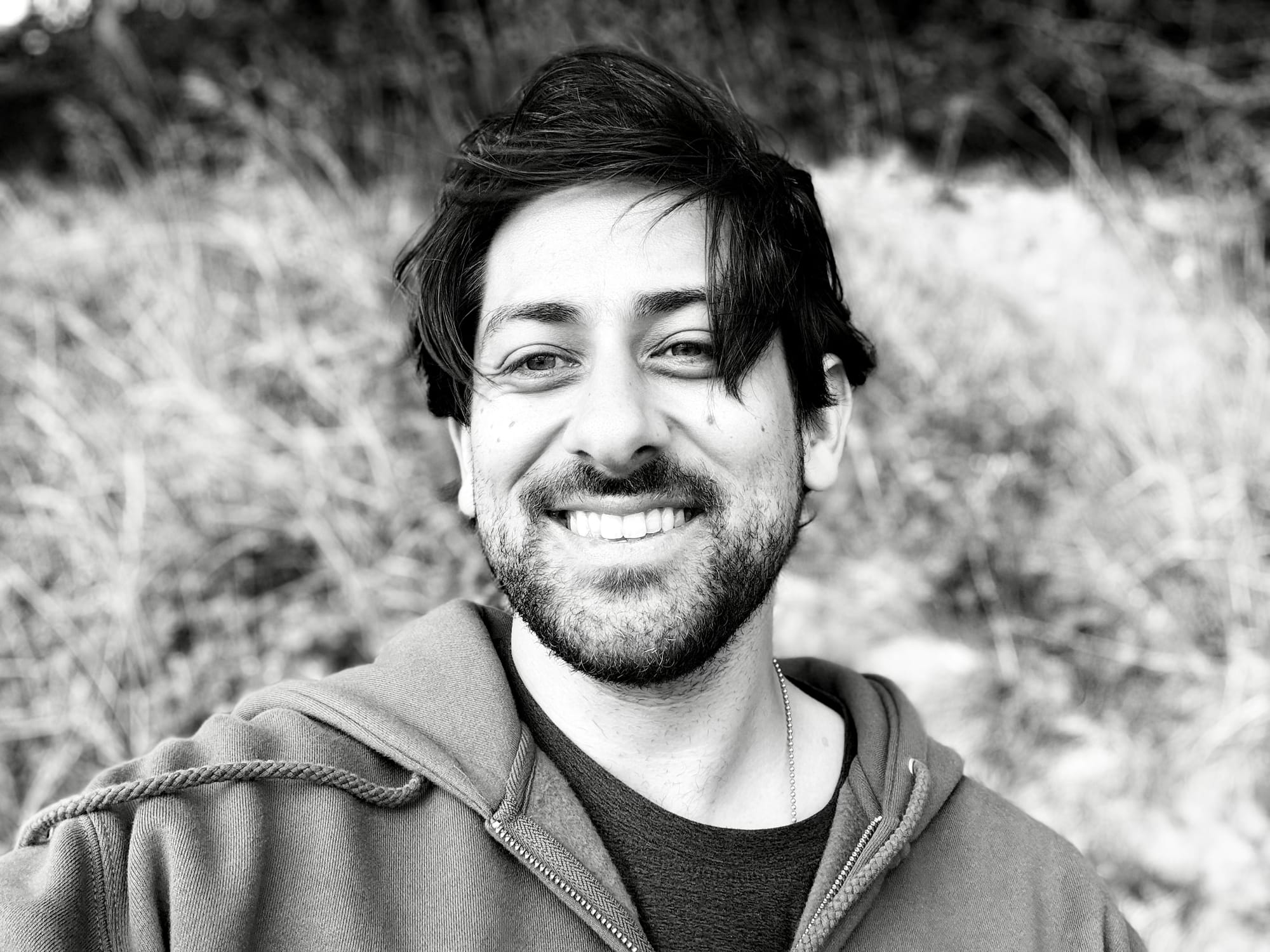
This song became about emerging from darkness. Not in a grand cinematic way. More like the ordinary return of appetite. The feeling of realizing you are no longer quite as buried as you were. The sense that something inside you has started to move toward warmth again.
It took longer to understand. I had the production before I had the lyric, which can be frustrating. A track without a lyric is like a house with the lights on and nobody home. You can see the shape of it, but not the life inside it.
So I waited.
That was another lesson of the island.
Waiting is not the same as doing nothing.
Waiting is often the part of the work where the deeper material catches up.
At home, I am tempted to solve everything quickly. Finish the lyric. Send the email. Make the decision. Book the thing. Move. Execute. Advance. That mode works beautifully in business. It works less beautifully in art, and almost not at all in the soul.
Whidbey resisted speed.
The trees were not rushing. The water was not rushing. Even the light seemed to take its time getting from one place to another. So I tried to let the song be unfinished without turning that into a personal failure.
A small thing, maybe.
But for me, not that small.
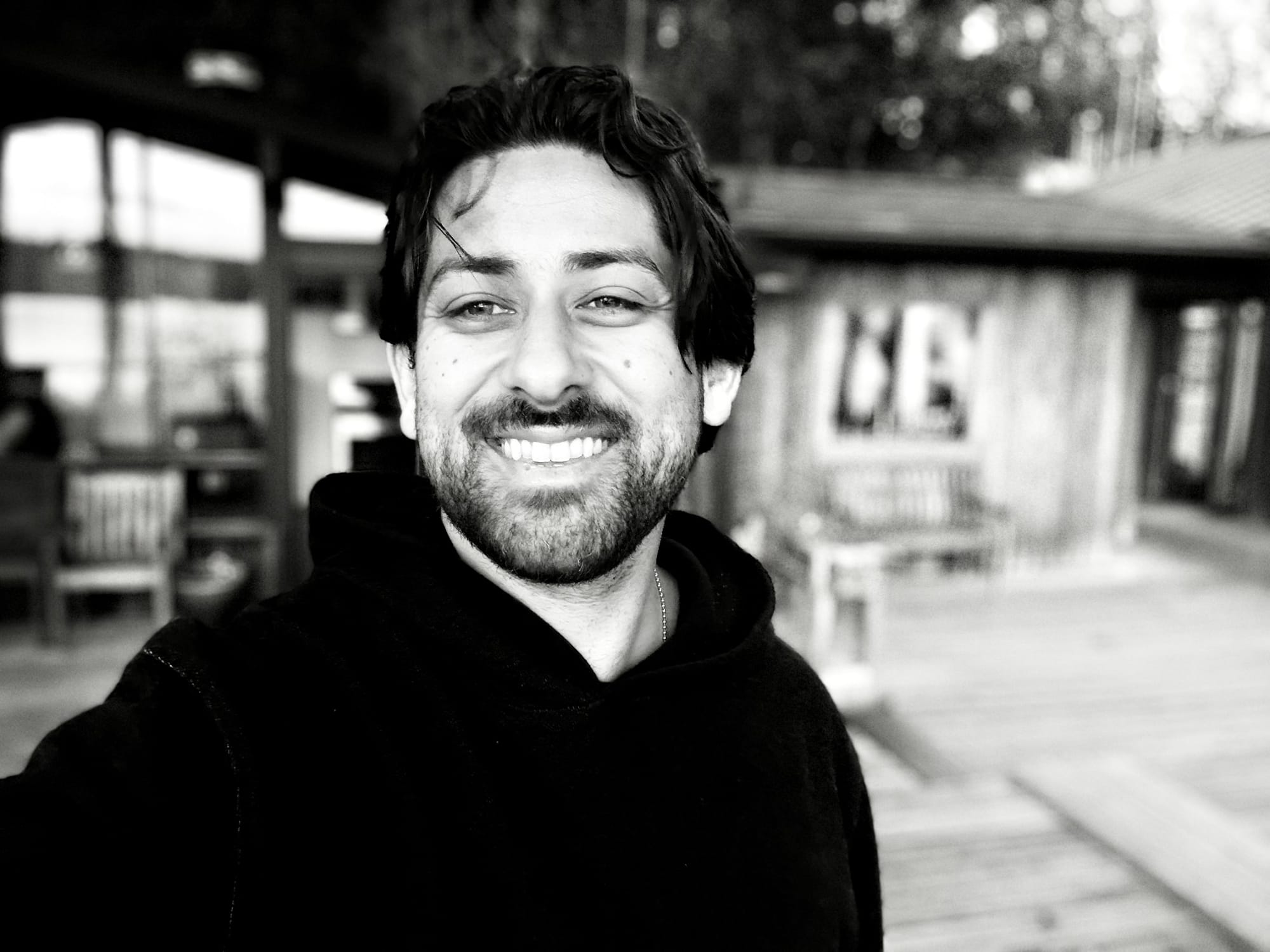
By the third day, I had settled into the solitude.
That surprised me.
I spend a lot of time alone, but not all solitude is created equal. There is productive solitude, where you are alone but still tethered to output. There is lonely solitude, where the room gets too loud and you start negotiating with ghosts. There is avoidant solitude, where you tell yourself you are choosing peace but are really hiding from intimacy, risk, or disappointment.
And then there is clean solitude.
The kind where you are simply with yourself.
I don’t think I get that kind often enough.
On Whidbey, the clean solitude came slowly. At first, I kept looking for friction. Some problem to solve. Some ache to dramatize. Some evidence that being alone on my birthday week meant something sadder than it did.
But the sadness never really came.
There were tender moments, yes. There were moments where I felt the strangeness of being thirty-five, unmarried, still building, still searching, still trying to understand what combination of ambition and peace might actually make a life. There were moments where I thought about the people I love, the roads not taken, the versions of me that might have existed if I had made different choices.
But underneath all of that, there was a surprising steadiness.
I did not feel like I had failed to arrive somewhere.
I felt like I was arriving.
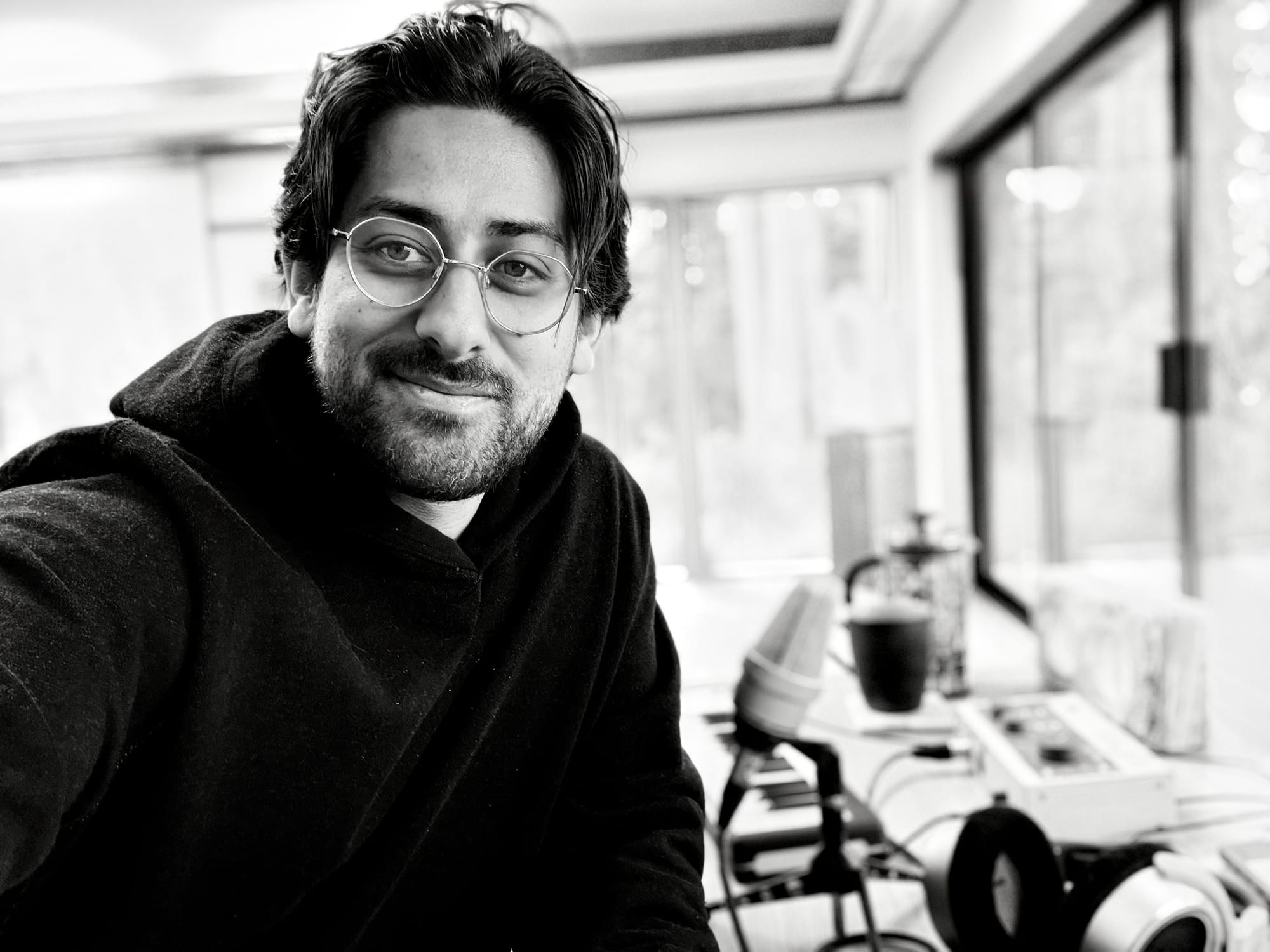
Maybe not at the destination I once imagined. Maybe not on the timeline I once demanded. But arriving nonetheless.
That realization changed the texture of the trip.
The music stopped feeling like a test.
The place stopped feeling like a backdrop.
The solitude stopped feeling like something to overcome.
I began to feel like the whole point was not to return with proof that I had used the time well. The point was to become someone who could receive the time at all.
This is hard to explain without sounding like I’m trying to make a vacation seem profound. I know that. A cabin in the woods is still a cabin in the woods. A few days away is still a privilege. Not every quiet moment is a revelation, and not every trip needs to become a metaphor.
But some places do become metaphors because they reveal the structure of what you were already living.
Whidbey showed me how often I confuse motion with devotion.
I am devoted to the music, yes. I know that. I have proven that to myself. Song after song, year after year, I have kept going. But devotion does not always mean more pressure. Sometimes devotion means protecting the part of you that can still be moved by sound before it becomes content, strategy, product, or proof.
That is what I found there.
A quieter devotion.
Less frantic. More faithful.
The third song came from that place.
It was the most direct of the three. Inspirational, but not in the polished motivational sense. More like a hand on the wall in a dark hallway. The phrase that kept coming back was “I’m looking for a way.”
That line felt honest.
Not “I found the way.”
Not “I know the way.”
Just: I’m looking.
There is humility in that. And maybe relief.
So much of adulthood seems to reward certainty. Have the plan. Know the answer. Build the brand. Clarify the offer. Define the path. Speak in clean lines. And I understand the utility of that. I really do. Clarity matters.
But the inner life is not always clear.
Sometimes the truest thing you can say is that you are looking.
Looking for a way to live with ambition without being eaten by it.
Looking for a way to love without making it a cage.
Looking for a way to build something beautiful without turning yourself into a machine.
Looking for a way to keep the work sacred while still letting it survive in the world.
That song felt like the emotional center of the trip. Once it arrived, I understood the previous songs differently. One was asking for heart and soul. One was stepping back into the light. One was looking for a way.
Together, they sounded like a map.
Not a perfect map.
But a real one.
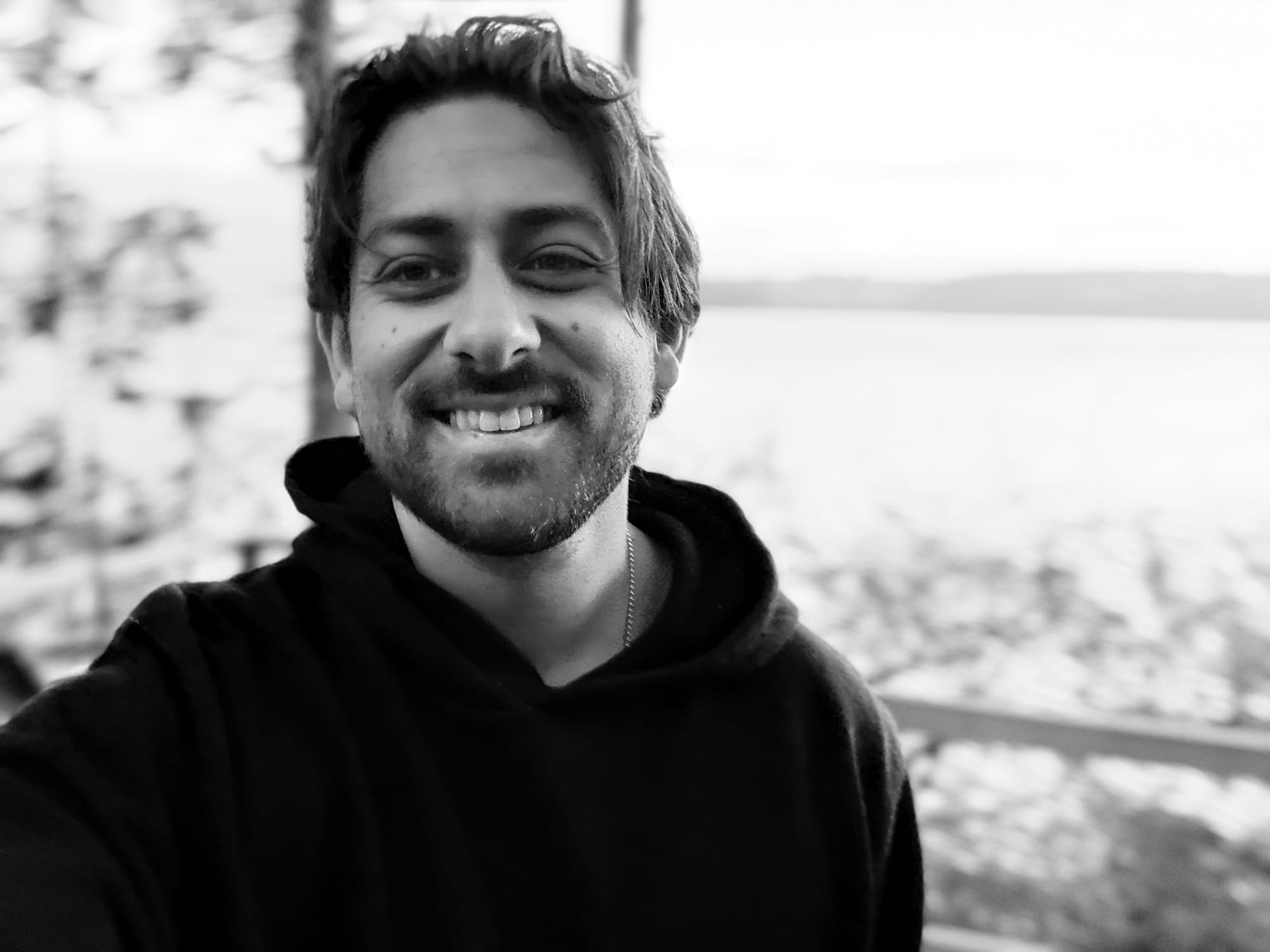
On the final day, I walked around the property and felt that familiar end-of-trip tenderness.
The strange thing about leaving a place like Whidbey is that you know you are not just leaving the place. You are leaving the version of yourself that the place allowed you to become. The question is always whether that version can survive re-entry.
Can the quiet come back with you?
Can the lesson survive the airport?
Can the artist studio remain available when you are back in the ordinary room, with the ordinary inbox, under the ordinary fluorescent pressure of regular life?
I don’t know.
Not completely.
But I came home with three songs and a different understanding of what they represented.
Before Whidbey, I think I wanted the trip to give me output. Songs. Material. A story. Something I could point to and say, “See, the time was worth it.”
By the end, I felt less interested in proving the worth of the time.
The time itself had been worth it.
The songs were not trophies. They were evidence that I had listened.
That distinction matters.
Because if the song is a trophy, then the trip becomes a transaction. I gave the island five days; the island gave me three songs. Fair exchange. Case closed.
But if the songs are evidence of listening, then the trip remains alive. It becomes part of the archive in the truest sense. Not just a record of what happened, but a record of what changed.
That is the word I keep coming back to now.
Archive.
I used to think of an archive as a place where finished things go. Songs, photographs, letters, recordings. The completed evidence of a life. But I am starting to think an archive is also where we preserve the becoming. The rough edges. The field notes. The half-lit moments before something has a name.
Whidbey belongs there.
Not because it was perfect. Not because I solved my life. Not because every song arrived effortlessly or every hour was luminous.
It belongs there because it caught me in the middle of a question.
At thirty-five, what kind of artist am I becoming?
What kind of man?
What kind of life am I actually building when no one is applauding, watching, validating, measuring, or asking for the next thing?
I don’t have a clean answer.
But I have a cabin in the woods.
I have the sound of water.
I have gray skies that reminded me of where I came from.
I have mountains somewhere beyond the trees, whether I could see them or not.
I have the memory of walking from the cabin to the studio with a cup of coffee and the faint belief that maybe the day would give me something if I did not demand too much from it.
I have three songs.
I have the reminder that beauty works slowly.
And I have this: the sense that disappearing, when done correctly, is not an act of leaving your life behind.
It is a way of returning to it with more of yourself intact.
That was Whidbey.
A few days in the woods.
A studio by the water.
A birthday threshold.
A small map back to the source.
And maybe, if I’m lucky, the beginning of a quieter chapter.